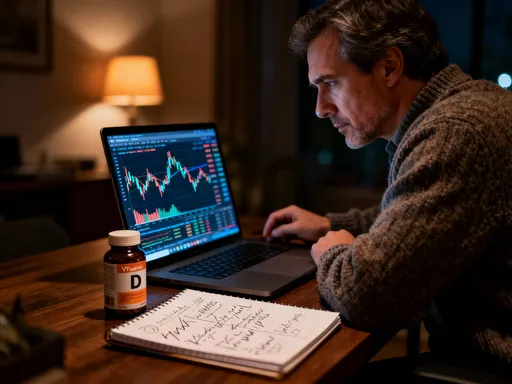
How I Time the Market in Nutritional Supplements — A Real Investor’s Method
Investing in nutritional supplements isn’t just about picking brands — it’s about knowing when to move. I learned this the hard way, buying high during hype cycles and watching values dip. Over time, I developed a practical method focused on market signals, industry trends, and consumer behavior shifts. This isn’t a get-rich-quick scheme — it’s about smart timing. Let me walk you through how I approach entry and exit points in this growing healthcare niche, where patience and pattern recognition pay off.
The Hidden Rhythm of the Nutritional Supplement Market
The nutritional supplement market moves differently than broader stock indices. While tech or finance sectors may react sharply to interest rate changes or quarterly earnings, this niche responds more subtly — to seasonal shifts, public health awareness, and evolving consumer habits. Immune support products, for example, see increased demand during colder months, not because of corporate announcements, but due to natural shifts in wellness priorities. Similarly, metabolism-boosting supplements often gain traction in January, aligning with New Year’s health resolutions. These are not random fluctuations but recurring patterns that repeat with remarkable consistency year after year.
One of the most overlooked aspects of investing in this sector is the lag between awareness and market movement. When a new study highlights the benefits of vitamin D or omega-3 fatty acids, stock prices don’t immediately spike. It takes time for research to filter into mainstream media, then into consumer behavior, and finally into sales data. Savvy investors watch this pipeline closely. Those who act too early risk holding positions through extended quiet periods; those who act too late miss the best entry points. The sweet spot lies in recognizing credible early signals while waiting for confirmation before committing capital.
Regulatory developments also play an outsized role. Unlike food or pharmaceuticals, supplements operate in a gray area — they are regulated for safety but not pre-approved for efficacy. A single FDA warning letter or a change in labeling requirements can cause volatility across multiple companies. Conversely, favorable regulatory decisions, such as the approval of a new ingredient category, can unlock growth for entire subsectors. These events don’t happen frequently, but when they do, they reshape the landscape. Understanding the rhythm means tracking not only consumer demand but also the policy environment that governs what can be sold, how it’s marketed, and what claims can be made.
This market’s independence from traditional economic indicators is both a challenge and an opportunity. It doesn’t rise simply because unemployment drops or inflation slows. Instead, it thrives on long-term health consciousness, demographic aging, and preventive care trends. These forces build slowly, creating sustained momentum rather than sudden bursts. Investors who treat supplements like speculative tech stocks often misread the signals and exit too soon. But those who understand its steady, cyclical nature can position themselves to benefit from compounding demand over time.
Why Timing Matters More Than Picking Winners
Many investors focus heavily on choosing the right company — strong leadership, clean balance sheets, effective marketing. These factors matter, of course. But in the supplement space, even the best-managed firm can underperform if you buy at the wrong time. Timing amplifies or diminishes the value of every decision. Consider a scenario: a major health organization releases a report endorsing the use of probiotics for digestive health. Overnight, related stocks jump 15–20%. If you buy then, you’re paying a premium based on emotion, not fundamentals. By the time the news cycle fades, prices often settle back — leaving latecomers with losses.
The real edge comes from entering before the surge, not after. That requires looking beyond headlines and understanding what drives demand. For instance, seasonal buying patterns are predictable. Sales of multivitamins typically rise in late fall, ahead of flu season. Companies that specialize in these categories often see improved earnings in the first quarter of the following year. But their stock prices usually begin moving weeks earlier, reflecting anticipated performance. Investors who wait for the earnings report have already missed much of the move.
Another critical timing factor is scientific validation. When peer-reviewed studies confirm the benefits of a specific nutrient — such as CoQ10 for heart health or magnesium for sleep quality — it sets the stage for increased consumer interest. However, there is a delay between publication and widespread adoption. It takes months for doctors to discuss findings, for media to cover them, and for retailers to adjust inventory. This window creates a low-risk opportunity to invest in companies positioned to benefit, before the broader market takes notice.
Emotional discipline is essential. It’s easy to get caught up in fear of missing out when a stock starts climbing. But impulsive decisions often lead to buying at peaks and selling at troughs — the exact opposite of sound investing. A disciplined approach means accepting that you won’t catch every top or bottom. What matters is consistency. By focusing on timing signals rather than chasing performance, you align your actions with long-term trends instead of short-term noise. Over time, this method leads to more favorable entry points, reduced drawdowns, and steadier returns — even if individual moves don’t feel exciting in the moment.
My Entry Strategy: Signals I Watch Before Investing
I don’t make investment decisions based on intuition or promotional campaigns. Instead, I rely on a checklist of observable, verifiable signals that indicate a potential shift in market momentum. The first and most reliable is clinical research. I monitor journals like the American Journal of Clinical Nutrition and databases such as PubMed for new studies on vitamins, minerals, and herbal extracts. When multiple high-quality studies point to benefits for a particular ingredient — say, ashwagandha for stress reduction — I take note. But I don’t act immediately. I wait for secondary confirmation: increased media coverage, rising search volume, or commentary from healthcare professionals.
Supply chain indicators are another key part of my strategy. If a company relies on a rare botanical ingredient, any disruption in sourcing can affect production and profitability. Conversely, when manufacturers expand capacity or secure long-term supply agreements, it signals confidence in future demand. I review industry reports and earnings calls for mentions of raw material costs, inventory levels, and production timelines. These details often reveal strength or weakness before they appear in financial statements. For example, a company that reports stable ingredient costs while competitors face shortages may gain market share — a bullish sign worth watching.
Consumer behavior data is equally important. I track anonymized search trends using tools like Google Trends to see how interest in specific supplements evolves over time. A sustained increase in searches for “collagen for skin” or “vitamin B12 energy” can precede sales growth by several months. I also monitor retail data from sources like Nielsen and IRI, which track point-of-sale activity across pharmacies, grocery stores, and online platforms. When a product shows rising velocity — meaning more units sold per store per week — it’s a strong indicator of growing consumer adoption.
Social sentiment analysis helps round out the picture. While I avoid basing decisions on isolated social media posts, I do look for shifts in overall conversation volume and tone. Platforms like Brandwatch or Talkwalker allow me to track brand mentions and sentiment across forums, blogs, and review sites. A sudden increase in positive discussions about a specific supplement brand, especially around efficacy or taste, can signal rising loyalty and repeat purchases. Combining these signals — clinical research, supply chain health, consumer searches, retail sales, and social sentiment — gives me a multidimensional view of momentum. I only consider entering a position when at least three of these indicators align, reducing the risk of false positives.
Knowing When to Hold and When to Walk Away
One of the hardest lessons in investing is learning the difference between temporary setbacks and fundamental decline. In the supplement industry, short-term volatility is common. A product recall, a negative news story, or a seasonal sales dip can cause stock prices to fall sharply — even if the company’s long-term prospects remain intact. My rule is simple: I hold through noise, but exit when the foundation cracks. That means evaluating not just price movements, but the underlying health of the business and its market position.
Brand loyalty is a major factor in my holding decision. Companies with strong customer retention, high repurchase rates, and positive reviews tend to recover faster from setbacks. If a brand has built trust over years, a single issue rarely destroys its value. I also look at innovation pipelines. Firms that consistently introduce new formulations, delivery methods, or scientifically backed products are better equipped to adapt. For example, a company that shifts from capsules to gummies based on consumer preference shows responsiveness — a sign of long-term viability.
On the other hand, certain red flags make me reconsider my position. Regulatory actions are among the most serious. If a company receives an FDA warning for making unsubstantiated health claims, it not only risks fines but also damages its reputation. Repeat violations suggest poor governance — a structural problem, not a temporary one. Similarly, declining distribution — such as losing shelf space in major retailers — indicates weakening market acceptance. I also pay attention to management changes, especially if key executives with scientific or industry expertise depart unexpectedly.
Another warning sign is stagnation in research and development. The supplement market evolves quickly. Consumers demand transparency, third-party testing, and clean labels. Companies that fail to invest in quality assurance or scientific validation fall behind. If a firm isn’t publishing clinical trials, obtaining certifications, or improving formulations, it’s likely relying on past success — a dangerous position in a competitive field. When these issues appear alongside declining sales or rising customer complaints, I begin reducing my position, even if the stock hasn’t dropped significantly yet. Protecting capital is more important than waiting for a perfect exit.
Risk Control: Protecting Gains Without Overreacting
Volatility is inherent in the supplement sector. Public perception shifts quickly, and regulatory scrutiny can intensify overnight. To manage this, I use a tiered approach to position sizing and exit planning. Instead of investing a lump sum, I scale in — buying an initial stake when signals first align, then adding more as confirmation builds. This reduces the impact of short-term noise and avoids the risk of overcommitting at a peak. If the thesis proves wrong early, losses are contained. If it gains momentum, I increase exposure gradually, compounding gains without overexposure.
I also set non-negotiable rules for trimming positions. When a stock rises significantly — say, 40% above my average cost — I sell a portion to recover my initial investment. This ensures that even if the price later drops, I’ve locked in break-even or better. From that point, I’m playing with “house money,” which allows me to stay in the trade longer without emotional pressure. I don’t use stop-loss orders, as they can trigger during temporary dips, but I do reassess my thesis when prices fall more than 20% from recent highs.
Diversification is another layer of protection. I spread investments across subcategories — general wellness, sports nutrition, specialty supplements like nootropics, and pediatric formulations. This prevents overreliance on any single trend. For example, if immune support demand slows after a peak season, gains in metabolism or sleep aids can offset losses. I also balance between large, established brands and smaller innovators. The former offer stability; the latter provide growth potential. This mix helps smooth returns over time.
Finally, I maintain a cash reserve. Not every signal leads to action, and not every opportunity is worth taking. By keeping a portion of my portfolio in liquid assets, I remain flexible to act when true value emerges. This discipline prevents overtrading and reduces stress during uncertain periods. Risk control isn’t about avoiding all losses — that’s impossible. It’s about ensuring that no single decision can derail long-term progress. By managing exposure, locking in gains, and staying diversified, I aim to preserve capital while staying open to opportunity.
Tools and Data Sources That Make a Difference
I don’t rely on speculation or rumors. My decisions are grounded in accessible, reliable data from public sources. One of the most valuable is the National Health and Nutrition Examination Survey (NHANES), conducted by the CDC. It provides detailed insights into supplement usage patterns across age groups, regions, and health conditions. When I see rising adoption of vitamin D or omega-3s in this data, I know demand is building at the population level — not just in niche markets.
FDA updates are another essential resource. I subscribe to enforcement reports and warning letter archives. These documents reveal which companies are under scrutiny for labeling violations, contamination, or unsupported claims. While negative for those firms, this information helps me avoid troubled stocks and identify industry-wide risks. I also review GRAS (Generally Recognized as Safe) notifications, which signal new ingredients entering the market — potential growth areas to watch.
For financial health, I analyze SEC filings — 10-Ks, 10-Qs, and proxy statements — to assess revenue trends, R&D spending, and management discussion. I pay close attention to gross margins, as they reflect pricing power and supply chain efficiency. Companies with stable or improving margins are better positioned to withstand cost pressures. I also listen to earnings calls, focusing on how management talks about challenges and opportunities. Confidence based on data, not hype, is a positive signal.
Consumer data comes from multiple sources. Google Trends shows search volume over time, helping me spot rising interest. For example, a sustained increase in searches for “electrolyte supplements for adults” might precede broader market adoption. Retail sales data from Nielsen and IRI provides actual purchase behavior, not just intent. When both search interest and sales velocity rise, it confirms real demand. I also use social listening tools to track brand sentiment, ensuring I’m not missing shifts in customer perception. Together, these sources form a feedback loop that keeps my strategy grounded in reality, not conjecture.
Building a Repeatable Method, Not Chasing Luck
Success in investing doesn’t come from a single lucky pick. It comes from consistency, discipline, and continuous learning. My approach to the nutritional supplement market has evolved over years of observation, testing, and adjustment. There have been missteps — positions held too long, entries made too early, exits that came too late. But each experience refined the process. The goal isn’t perfection; it’s progress. By focusing on timing, risk management, and evidence-based decisions, I’ve built a method that works across market conditions.
What makes this strategy repeatable is its structure. It doesn’t depend on predicting the future or guessing which vitamin will go viral. Instead, it responds to real-world signals — research, consumer behavior, supply dynamics, and regulatory trends. This removes emotion from decision-making and replaces it with a clear framework. When signals align, I act. When they weaken, I reassess. There’s no attachment to any single stock or outcome. The process is the priority.
This method has allowed me to participate in a growing, resilient sector without taking reckless risks. The global shift toward preventive health, aging populations, and greater wellness awareness all support long-term demand for quality supplements. By timing entries and exits wisely, I aim to capture gains while avoiding the pitfalls of hype and speculation. It’s not flashy, but it’s sustainable.
For investors looking to explore this niche, the key is patience and preparation. Study the rhythms of the market. Learn to distinguish signal from noise. Build a process that works for you — one based on observation, verification, and discipline. Over time, smart timing compounds just like wealth. It won’t make you rich overnight, but it can help you build lasting financial security, one thoughtful decision at a time.