How I Turned My Hobby Into a Smart Investment Game
What if the things you love doing could also grow your wealth? I never thought my weekend passion would teach me real investment skills—until I started seeing returns. It wasn’t luck. I tested strategies, made mistakes, and slowly built a system that works. This is not about get-rich-quick schemes. It’s about turning personal joy into financial wisdom, one smart move at a time. The journey began with a simple realization: hobbies don’t have to be financial drains. When approached with intention, they can become powerful tools for building assets, learning market behavior, and cultivating disciplined decision-making. Over years of trial and reflection, I discovered that passion and profit don’t have to be at odds—they can, in fact, reinforce each other in surprising and sustainable ways.
The Moment I Realized Hobbies Could Be More Than Just Fun
For most of my adult life, I treated hobbies as non-negotiable escapes—necessary for mental balance but financially neutral, if not slightly negative. Whether it was restoring old wooden furniture, collecting vinyl records, or learning traditional handcrafts, I saw these activities as pure expenses. There was joy in the doing, but no expectation of return. That changed when I began noticing subtle patterns in what I was acquiring. A mid-century lamp I bought for $40 at a garage sale later sold online for $220. A vintage hand-knitted blanket, once dismissed as outdated, resurfaced in a lifestyle magazine as a sought-after home accent. These weren’t isolated wins—they pointed to a deeper truth: some hobbies involve assets that appreciate over time.
This shift in perception was transformative. I started viewing my collections not just as personal treasures but as tangible holdings with market dynamics. Unlike abstract financial instruments, these items had physical presence, history, and cultural resonance. More importantly, I already cared about them. That emotional connection lowered the barrier to deep research. I began tracking price trends, studying production histories, and learning how condition and provenance affected value. What emerged was a realization: many hobbies operate like niche markets, governed by supply, demand, and collector psychology. The same principles that drive stock valuations—scarcity, utility, and sentiment—also influence the worth of vintage cameras, rare books, or handcrafted ceramics.
Recognizing this, I asked myself a new question: What if I applied investment discipline to my hobby? Instead of buying impulsively, I could analyze each purchase for potential growth, durability, and long-term enjoyment. This mindset didn’t turn passion into cold calculation; it enhanced it. Every acquisition became a learning opportunity, a small experiment in value creation. The hobby remained joyful, but now it also served a second purpose—building a portfolio rooted in personal meaning. This dual benefit made the experience richer, not less authentic. Over time, I began to see my collection not as clutter, but as a diversified set of assets, each with its own story and financial potential.
Why Hobbies Are the Ultimate Playground for Learning Investment Skills
One of the biggest challenges in personal finance is emotional detachment. When dealing with stocks or real estate, fear and greed can cloud judgment, leading to poor timing and costly mistakes. Hobbies, however, offer a unique advantage: they allow people to practice investment thinking in a low-stakes, high-engagement environment. Because the activity is inherently enjoyable, the learning curve feels natural, not forced. You’re more likely to research a vintage typewriter model in depth if you love using it, just as you’ll pay closer attention to market fluctuations if you’re emotionally invested in the outcome.
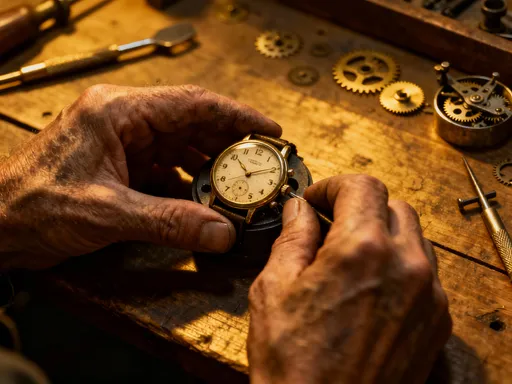
This emotional engagement is actually a strength, not a weakness, when balanced with discipline. Hobbies teach patience—the ability to wait for the right piece at the right price. They encourage comparison shopping, condition assessment, and vendor evaluation, all of which mirror due diligence in broader financial decisions. When I restored an antique writing desk, I didn’t just replace broken parts; I studied wood types, verified authenticity, and documented the process. These steps mirror the research investors conduct before acquiring a new asset. The difference? I was motivated by passion, not pressure. That intrinsic motivation made the learning stick.
Moreover, hobby-based assets offer something traditional investments often lack: immediate utility and sensory reward. A well-maintained classic bicycle isn’t just a potential future sale—it’s something you can ride today. A curated set of artisan pottery isn’t merely a store of value; it’s used daily, bringing aesthetic pleasure. This dual function—use value and investment value—creates a more sustainable relationship with ownership. You’re less likely to panic-sell during a market dip if the item still brings joy regardless of price. This resilience builds emotional intelligence around money, teaching that value isn’t solely defined by market fluctuations.
Perhaps most importantly, hobbies foster long-term thinking. In an era of instant gratification, where digital transactions happen in seconds, the slow process of collecting, restoring, or mastering a craft reinforces delayed gratification. I’ve waited months for a rare edition to appear online or spent weeks restoring a single piece to its original condition. These experiences mirror the patience required in wealth-building—whether it’s holding a stock through volatility or contributing consistently to a retirement account. The skills learned in the workshop or the collector’s room transfer seamlessly to the broader financial landscape.
Spotting Value Where Others See Junk: The Art of Acquisition
One of the most valuable skills I’ve developed is the ability to identify undervalued items—objects that others overlook or misjudge. This isn’t about luck or insider knowledge; it’s about systematic observation and pattern recognition. Not every old item is worth keeping, just as not every stock is a winner. But certain characteristics consistently signal potential: limited production runs, historical significance, craftsmanship quality, and cultural relevance. For example, mid-20th-century Scandinavian furniture has gained global appeal due to its minimalist design and durable construction. Similarly, vintage audio equipment from reputable brands often retains or increases value due to superior sound quality and nostalgic appeal.
Condition is another critical factor. A well-preserved item, even if common, can outperform a rare but damaged one. I learned this the hard way after buying a cracked ceramic vase at auction, assuming rarity would compensate for flaws. It didn’t. Since then, I’ve adopted a checklist: structural integrity, original parts, signs of restoration, and completeness. Provenance—documented history of ownership—also adds credibility and value. An old camera with its original box, manual, and service records is more desirable than an identical model without them.
Market demand is equally important. Trends shift, and what’s popular today may not be tomorrow. I monitor online marketplaces, collector forums, and auction results to gauge interest. I also pay attention to broader cultural movements—such as the renewed appreciation for analog tools or sustainable living—which can boost demand for certain handmade or vintage goods. This research helps me avoid chasing fads and instead focus on enduring appeal.
Acquisition strategy matters just as much as selection. I rarely pay full price. Garage sales, estate auctions, and local classifieds often yield hidden gems at a fraction of retail value. I’ve found that sellers in these settings may not recognize the worth of what they’re offering, especially if the item is out of fashion or requires repair. By combining knowledge with patience, I’ve been able to acquire high-potential items at low entry points. Each purchase is treated as a small investment, with expected holding periods and exit strategies in mind. This disciplined approach turns casual browsing into strategic sourcing.
Timing the Exit: When to Sell, Upgrade, or Hold Forever
Knowing when to sell is as crucial as knowing what to buy. Emotional attachment can distort judgment, leading to missed opportunities or prolonged holding of underperforming assets. I’ve made both mistakes—selling a rare record player too early for a modest profit, only to see it triple in value months later, and holding onto a bulky bookshelf long after it stopped fitting my space or style, simply because I didn’t want to let go.
To counter this, I developed a simple but effective decision framework. First, I assess usage frequency: Do I still use or enjoy this item regularly? If not, it may be time to reconsider ownership. Second, I evaluate storage cost—both physical and mental. Large or delicate items take up space and require maintenance. If the burden outweighs the benefit, it’s a sign to act. Third, I review appreciation trends. Has the item’s market value been rising, stable, or declining? Tools like price tracking websites and collector databases help me stay informed. Finally, I consider emotional ROI: Does this object still bring me joy, or has its significance faded?
This framework helps me separate sentiment from strategy. Some items are clearly keepers—pieces with deep personal meaning or strong long-term value potential. Others are better suited for timely resale. I now treat certain acquisitions as short-term plays, aiming to restore and resell within a set timeframe. This approach generates cash flow that funds new purchases, creating a self-sustaining cycle.
Upgrading is another smart exit strategy. Instead of holding onto multiple similar items, I sometimes consolidate—selling older versions to invest in higher-quality or rarer models. This improves the overall value of my collection while maintaining its focus. The key is intentionality. Every decision to sell, keep, or upgrade is made with clarity, not impulse. This level of control transforms what could be emotional clutter into a dynamic, evolving portfolio.
Turning Passion Into Passive Income (Without Losing the Fun)
One of the most rewarding outcomes of this journey has been the emergence of passive income streams—earnings that grow with minimal ongoing effort. These didn’t start as business ventures; they evolved naturally from my existing habits. For example, I began renting out restored vintage audio equipment to musicians and content creators who wanted authentic sound for recordings. A simple online listing, clear usage guidelines, and a modest fee turned idle assets into a recurring revenue source.
Flipping restored items has also become a reliable income channel. I focus on pieces with high transformation potential—items that can be repaired or upgraded at a reasonable cost and sold at a meaningful markup. The process is methodical: source, restore, document, photograph, and list. Over time, I’ve built a reputation for quality, which allows me to command fair prices. Some sales fund future projects; others go directly into savings or investment accounts.
Licensing custom designs is another avenue. After creating a series of hand-printed textile patterns as part of my craft hobby, I partnered with a small production company to license the designs for home goods. This required no manufacturing effort on my part—just the initial creative work and ongoing royalty tracking. The income is modest but consistent, and it validates the broader value of creative output.
What makes these streams sustainable is that they don’t consume the core joy of the hobby. I automate logistics where possible—using third-party platforms for rentals, outsourcing packaging for sales, and setting up automatic royalty payments. This protects my time and energy. The hobby remains a source of relaxation and creativity; the income is a welcome byproduct. This balance is essential. The moment earning becomes the primary goal, the experience risks losing its authenticity. By keeping passion at the center, I ensure that financial benefits enhance, rather than replace, personal fulfillment.
Risk Control: How I Avoid the Traps of Emotional Spending
Passion can easily lead to excess. I’ve felt the thrill of the hunt—the adrenaline rush when spotting a rare find online or at a market. In those moments, rational thinking can fade. I’ve made purchases I later regretted: overpaying due to urgency, ignoring red flags about condition, or buying duplicates without realizing it. These experiences taught me that emotional discipline is just as important as financial strategy.
To protect myself, I implemented several safeguards. First, I established a monthly hobby budget—strictly separate from household expenses. This limits spending to what I can comfortably afford. Second, I introduced a 48-hour cooling-off period for any purchase above a certain threshold. This pause allows me to research the item further, compare prices, and reassess whether it aligns with my goals. Third, I seek peer feedback. I share potential acquisitions with fellow collectors or trusted friends who understand the market. Their perspectives often reveal blind spots.
I also track every transaction—what I bought, where, for how much, and its current status. This record-keeping turns hobby spending into transparent financial activity. I review it quarterly, just as I would an investment portfolio. This practice helps me identify patterns: which categories perform well, which ones drain resources, and where I might be overextending.
Another key rule: I never use debt for hobby purchases. Everything is paid for in cash. This eliminates the risk of financial strain and reinforces mindful consumption. By treating each acquisition as a real financial decision, I maintain control. The hobby stays enjoyable because it doesn’t create stress or obligation. Risk is managed not by avoiding passion, but by channeling it through structure and accountability.
Building a Lifestyle Portfolio: Where Joy and Wealth Grow Together
Looking back, I never set out to build wealth through my hobbies. My only goal was to spend my free time meaningfully. Yet, by applying investment principles—research, patience, risk assessment, and disciplined timing—I’ve created something valuable. My hobby-based assets now represent a meaningful portion of my net worth. More importantly, the skills I’ve gained have improved my overall financial literacy. I’m more confident evaluating opportunities, more patient with long-term goals, and more aware of emotional influences on decision-making.
This approach has also reshaped how I view wealth. It’s no longer just about numbers in a bank account. True financial well-being includes assets that bring joy, purpose, and personal connection. My collection of restored items, handmade crafts, and curated tools reflects who I am—not just what I own. They tell a story of growth, learning, and intentionality.
The concept of a lifestyle portfolio—where personal interests and financial strategy coexist—has become my guiding principle. It’s not about monetizing every passion, nor is it about treating leisure as a profit center. It’s about aligning values with actions, ensuring that how I spend my time also supports how I build security. In doing so, I’ve discovered that fulfillment and financial growth are not competing goals. They can, and should, grow together. The most valuable return isn’t measured in dollars alone—it’s in the richness of a life well-lived, where passion and prudence walk hand in hand.