I thought we were safe enough: How seasonal tech checks changed our family’s routine
You’ve probably said it too—“We’re fine, nothing bad will happen.” I thought that way until a storm knocked out power for three days, and I realized how unprepared we really were. That moment changed everything. Now, we adjust our family’s safety setup with the seasons, using simple tech tools that quietly protect us. It’s not about fear—it’s about peace of mind. And honestly? It takes less time than folding laundry. What started as a wake-up call after one very long, dark weekend has become a rhythm in our home—one that brings us closer, keeps us safer, and reminds us that small actions, done regularly, can make a big difference. This isn’t about turning your house into a sci-fi movie. It’s about using what’s already in your life a little more intentionally.
"It won’t happen to us" — The moment I realized safety wasn’t permanent
I remember standing in the kitchen, flashlight in one hand, trying to read the expiration date on a can of soup. The kids were bundled in sleeping bags on the living room floor, half-watching a movie on a tablet that was down to 12% battery. Outside, wind howled like something out of a movie, and the power hadn’t come back on in over 48 hours. That was the moment it hit me: we weren’t just uncomfortable—we were unprepared.
We’d always thought of ourselves as responsible. We had smoke detectors, a first-aid kit, and I even kept a few candles around “just in case.” But when the storm hit, none of that felt like enough. The carbon monoxide detector chirped at 2 a.m., and I didn’t know if it was a warning or just a low battery. Our Wi-Fi was down, so I couldn’t check the weather updates. My husband was stuck at his parents’ house across town because the roads were blocked, and we had no reliable way to stay in touch. I kept thinking, Someone must have a plan for this. But that someone wasn’t us.
What really shook me wasn’t the storm itself—it was how quickly the little things added up. The phone chargers we never tested? Dead. The emergency radio we bought five years ago? Lost in a closet. The family group chat? Silent, because everyone’s phones were dying. It wasn’t a disaster movie, but it felt like one. And in that moment, I realized something important: safety isn’t a one-time purchase. It’s not something you set up once and forget. Like changing the batteries in your smoke alarm once a year, it needs attention. It needs rhythm.
That’s when I started thinking differently. Instead of waiting for the next emergency to tell us what we were missing, what if we could stay one step ahead? What if we treated our home’s safety like we do our car maintenance—seasonal, predictable, and non-negotiable? That idea didn’t come with a dramatic revelation. It came with a notebook, a calendar, and a promise to myself: no more hoping we’d be okay. From that point on, we began aligning our tech habits with the seasons. Not because we were afraid, but because we wanted to feel sure.
Spring check: Refreshing devices before storm season begins
Spring, for us, isn’t just about planting flowers or opening the windows for the first time in months. It’s also the start of our “safety reset.” This is when we take a few hours—usually a Saturday morning with coffee and music—to go through every device in the house that plays a role in keeping us safe. It sounds like a chore, I know. But once you make it part of the routine, it feels less like work and more like care.
The first thing we do is check all our detectors. That means smoke alarms, of course, but also carbon monoxide sensors and water leak detectors—especially the ones under the sink or near the washing machine. These little devices are easy to forget, but they’re some of the most important. I’ve learned the hard way that a chirping alarm at 3 a.m. is never a good surprise. So now, every spring, we replace the batteries in every unit, even if they’re not beeping yet. Most modern detectors last about ten years, so we also note the installation date and mark replacements on the calendar. It’s not glamorous, but it’s grounding.
Next, we test our emergency power sources. We keep a few portable power banks charged and ready, and we have a small solar charger for longer outages. In the spring, we plug them all in, let them charge fully, and test them with our phones and tablets. We also make sure our backup flashlight and weather radio are working. One year, we discovered that one of our power banks had degraded and wouldn’t hold a charge—good thing we found out in April, not during a June thunderstorm.
We also sync our family calendar with local weather alerts. Most smartphones allow you to enable emergency notifications for severe weather, AMBER alerts, and other critical updates. We double-check that everyone in the family has these turned on. We even set up a shared note where we list local emergency numbers, the nearest shelter, and our out-of-town contact person—just in case cell service is spotty. These aren’t dramatic changes. But when you’re in the middle of a downpour and your basement starts flooding, knowing exactly where the shut-off valve is—and having a charged phone to call for help—can make all the difference.
Spring is also when we update our home’s Wi-Fi settings. We change the password (and write it down in our family safe spot), update the router’s firmware, and make sure our network is secure. It’s not just about hackers—it’s about reliability. If we need to stream a weather update or video-call a relative during a storm, we want to know our connection will hold. These small steps don’t take much time, but they create a quiet confidence that carries us through the storm season.
Summer shifts: Staying connected when everyone’s on the move
If spring is about preparation, summer is about motion. Suddenly, everyone’s going in different directions—camp, vacations, sports practices, weekend trips. My daughter spends two weeks at a lake with her cousins. My husband takes a business trip every other month. And I often drive an hour to visit my sister. It’s joyful, but it can also be a little nerve-wracking. That’s when our tech tools shift from home protection to family connection.
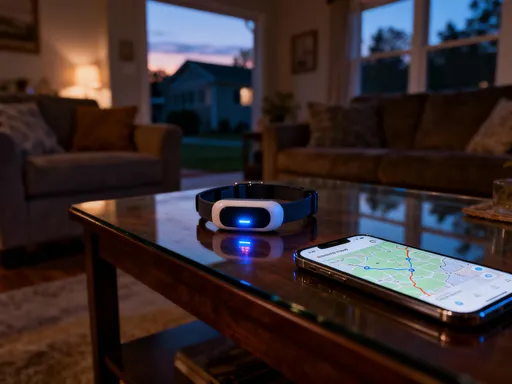
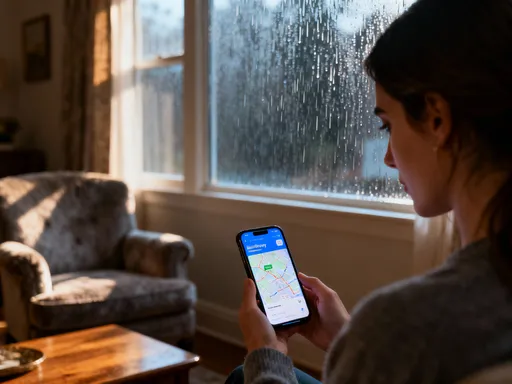
One of the simplest things we do is use shared location maps. I know what you’re thinking—“Isn’t that a little much?” But we don’t use it to track each other like spies. Instead, we turn it on for specific times, like when someone’s driving late at night or heading to an unfamiliar place. When my son has a late soccer practice, I can see when he leaves the field and when he gets home. Not because I don’t trust him, but because I care. And honestly? He doesn’t mind. He says it makes him feel like someone’s looking out for him, even when he’s miles away.
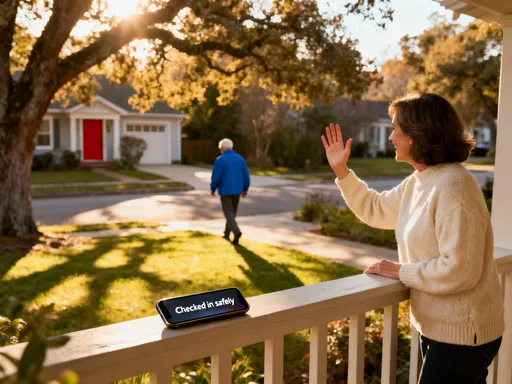
We also use check-in reminders. On our family group chat, we’ve set up little routines. For example, when someone arrives at their destination, they send a quick “I’m here” message. Sometimes it’s just a thumbs-up emoji. Other times, it’s a photo of the hotel room or the campsite. These small moments add up. They’re not about control—they’re about connection. And when a message doesn’t come through, we know to follow up. One summer, my niece didn’t check in after her flight landed. A quick call revealed her phone had died, but the airline confirmed she was fine. Without that check-in system, I might have spent the whole evening worrying.
Battery life becomes a bigger deal in summer, too. Between GPS, cameras, and streaming music, phones drain fast. So we’ve made it a habit to pack portable chargers in every bag—backpacks, diaper bags, even my purse. We also use low-battery alerts to prompt early charging. My daughter laughs at me because I say, “At 20%, it’s time to plug in,” like it’s a family rule. But she does it now, too. These habits aren’t about being obsessive. They’re about making sure we can reach each other when it matters.
And let’s not forget about travel safety. When we go on vacation, we share our itinerary with a trusted friend or relative. We also save offline maps of the area in case we lose service. Last summer, we got lost on a mountain trail in Colorado. No cell signal, no landmarks. But because we’d downloaded the map ahead of time, we found our way back without panic. That little act of preparation turned a potentially scary moment into a funny story we still tell at dinner.
Fall prep: Automating routines as days get darker and colder
When the days start getting shorter, something shifts in our home. The nights feel longer. The shadows stretch earlier. And I notice myself turning on more lights, just to feel safe. That’s when our smart home tools really shine—not in flashy ways, but in quiet, consistent ones.
We start by setting up our smart lighting schedules. We have a few bulbs in the entryway, porch, and backyard that automatically turn on at dusk and off at dawn. At first, I thought this was just about convenience. But then I realized something: when the house looks “lived in,” even when we’re not home, it feels safer. A neighbor told me once that she noticed our lights were always on in the evening and assumed someone was home. That small detail—lights turning on by themselves—can deter someone who might be watching for an empty house.
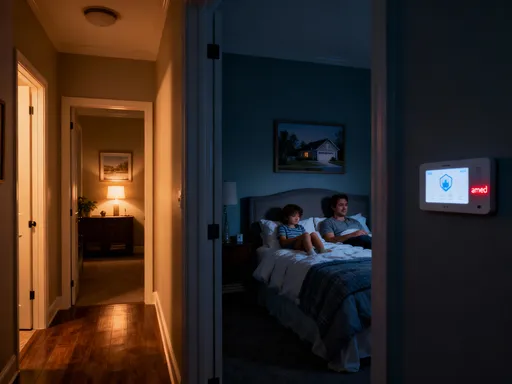
We also use motion sensors in key areas. Not just for security alarms, but for gentle reminders. For example, if the back door opens after 10 p.m., a soft light turns on in the hallway. It’s not loud or alarming—just enough to let us know someone’s moving around. One night, my teenage son got up for a glass of water, and the light came on automatically. He said, “Mom, that was kind of cool.” I said, “It’s kind of safe.” We both laughed, but it’s true. These little nudges help us stay aware without being anxious.
Our doorbell camera gets extra attention in the fall. We clean the lens, check the battery or power source, and make sure the app is working on everyone’s phone. We also review the footage settings—how long videos are saved, who can view them, and whether motion alerts are turned on. It’s not about suspicion. It’s about knowing who’s at the door, especially when it’s dark and hard to see. Last year, a delivery arrived late, and I was able to watch the drop-off from my phone while I was helping the kids with homework. No need to interrupt the evening—just peace of mind.
Fall is also when we test our home’s heating system. We have a smart thermostat that learns our schedule and adjusts the temperature automatically. But before the cold really sets in, we make sure it’s working properly. We check the filter, update the software, and confirm that the remote access feature still works. That way, if we’re away and the temperature drops, we can turn up the heat from our phones. Last winter, we avoided frozen pipes because I noticed the house was getting too cold while we were visiting family. A quick adjustment from my phone saved us a major repair.
Winter readiness: Keeping warmth, power, and connection alive
Winter brings its own challenges—snow, ice, power outages, and days when even stepping outside feels risky. This is when our tech tools shift from convenience to necessity. But again, it’s not about expensive gadgets. It’s about reliable, low-effort systems that work when we need them most.
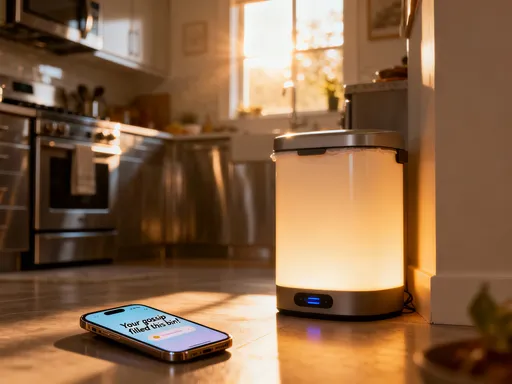
One of the most valuable tools we use is a temperature monitor. We have a small device in the basement that sends an alert if the temperature drops below a certain level. Last winter, it saved us from a disaster. We were away for a weekend, and the furnace stopped working. The monitor sent a notification to my phone: “Basement temperature falling.” I called a neighbor, who checked the house and reset the furnace before any pipes burst. Without that alert, we could have come home to water damage and thousands in repairs.
We also rely on our smart thermostat more than ever. It keeps the house warm during the day when we’re home and lowers the heat at night to save energy. But during extreme cold, we adjust the schedule to maintain a safer minimum temperature. We’ve also linked it to our weather app, so it can respond to forecasted cold snaps. It’s not magic—it’s just smart planning.
Power outages are a real concern, so we keep our emergency kit updated. We have a battery-powered radio, extra blankets, a first-aid kit, and non-perishable snacks. But we also make sure our communication tools are ready. Everyone knows where the power banks are. We keep a car charger in each vehicle. And we’ve taught the kids how to use a hand-crank radio to get weather updates. These aren’t just supplies—they’re part of our winter rhythm.
One winter, we lost power for nearly two days. But because we’d charged everything beforehand, we were able to stay connected. We used the tablet to play games, watch movies, and even video-call my sister. The kids made a fort in the living room and called it “the bunker.” It wasn’t perfect, but it wasn’t panic, either. We were warm, fed, and together. That’s what matters.
Making it stick: Building a family rhythm with tech check-ins
The truth is, none of this would work if it felt like a chore. That’s why we’ve made it part of our existing routines. We pair our spring tech check with deep cleaning. While someone vacuums, someone else checks the detectors. In the fall, we do our lighting and thermostat updates while decorating for Halloween. It’s not separate work—it’s part of the season.
We also use shared notes and voice memos to keep track. I have a note in my phone called “Family Safety Check,” and each season, we add what we’ve done. “Replaced smoke alarm batteries – April 6.” “Tested power banks – March 30.” It’s not fancy, but it’s proof that we’re staying on top of things. Sometimes, one of the kids will add a silly emoji or a joke, and that’s okay. It makes it feel like ours, not just mine.
We celebrate the small wins. When we avoided a pipe freeze, we had ice cream. When everyone remembered to charge their power bank before a trip, we called it a “win.” These moments build a culture of care in our home. It’s not about being perfect. It’s about trying. And that’s enough.
Most importantly, we talk about it. Not in a scary way, but in a “we’re in this together” way. We ask the kids for their ideas. My daughter suggested we add a flashlight to her backpack. My son wanted to learn how to reset the circuit breaker. These conversations aren’t just about safety—they’re about responsibility, about belonging.
More than gadgets: How small tech habits build deeper trust
Looking back, I realize that these seasonal checks have done more than protect our home. They’ve brought us closer. There’s something meaningful about taking a few hours each season to say, “Let’s make sure we’re okay.” It’s not just about the devices. It’s about the intention behind them.
When we test the smoke alarms together, it’s not just a task—it’s a moment of care. When we review the emergency plan, it’s a reminder that we look out for each other. These rituals have become part of our family’s language of love. They say, without words, You matter. We matter. I want us to be safe.
Tech doesn’t replace presence. But when used with purpose, it can extend it. It can help us stay connected when we’re apart, protect us when we’re vulnerable, and give us confidence when we’re unsure. The tools themselves aren’t magical. But the attention we give them? That’s where the real safety lives.
So if you’ve ever thought, “We’re fine, nothing bad will happen,” I get it. I did too. But now I see that being safe isn’t about luck. It’s about small, steady actions—season after season. It’s about using what we have, in ways that matter. And it’s about knowing that peace of mind isn’t something you buy. It’s something you build, one charged battery, one updated setting, one family conversation at a time.