What If Your Pet’s Smart Collar Is Spying on Your Family?
Have you ever wondered what happens to the data your smart pet devices collect? You love your dog, and the tracker helps you keep them safe—but could it also be sharing more than you realize? I remember the first time I truly saw my pet’s smart collar in a new light. It helped me find my golden retriever, Max, after he slipped out during a storm. I was so grateful—until I dug into the app and realized it had recorded not just his location, but our entire walking route, the time we got home, how long we stayed inside, and even picked up muffled voices from our living room when the smart speaker was on. That moment changed everything. Suddenly, a tool meant to protect my pet felt like it was quietly watching me too. And if it’s doing that to me, it could be doing it to you.
The Day I Realized My Dog’s Tracker Knew Too Much
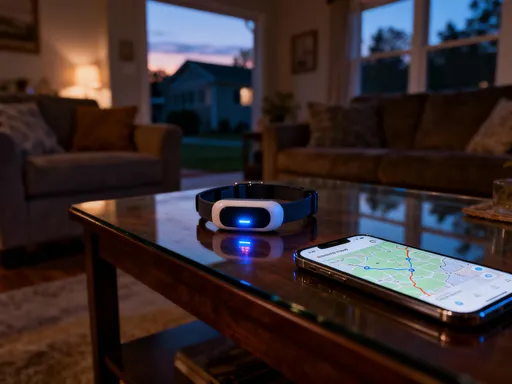
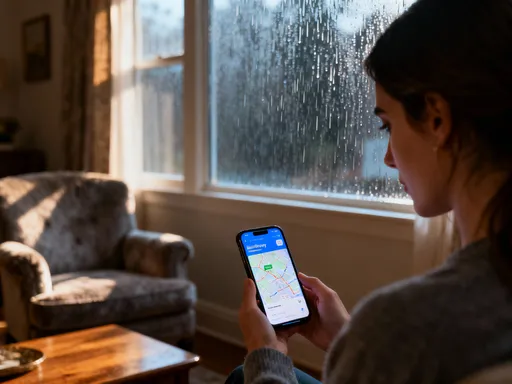
It started with relief. Max had vanished after a loud thunderclap cracked through the night. I’d been using a GPS-enabled collar for months, mostly to make sure he didn’t wander too far during his backyard adventures. But that night, it did its job perfectly. I opened the app, saw a blinking dot moving slowly down the street, and found him trembling under a neighbor’s porch. I cried, hugged him, and thanked whatever tech wizard had made this possible.
But a few days later, while scrolling through the activity log, something caught my eye. The app showed not only where Max had been but also timestamps for every time he entered or left our home, the exact duration of our daily walks, and even a graph of his ‘resting periods’—which, I realized, mirrored my own schedule. I work from home, and the app clearly showed when I was up, when I made coffee, when I took Max out, and when we both settled in for the night. Then came the real shock: in the ‘insights’ section, there was a note about ‘increased vocal activity in the household’ during the storm. My heart sank. Wait—how did it know that?
Turns out, the collar doesn’t just track location. It has a microphone—meant to detect barking or distress sounds—but it can also pick up background noise. And since it’s connected to our home Wi-Fi and synced with other devices, it wasn’t just listening to Max. It was hearing *us*. Not full conversations, maybe, but tones, volume, timing. And all of that data was stored on a server I knew nothing about. That’s when it hit me: we invited this device into our lives for one reason—to keep Max safe—but it was learning so much more. And no one had really explained what that meant.
From Clever Gadgets to Silent Listeners: How Pet Tech Learns Your Life
We think of smart pet collars, feeders, and cameras as helpful tools—like a high-tech leash or an automatic food bowl. But they’re more than that. They’re learning machines. Over time, they begin to understand patterns. Not just your pet’s habits, but yours. When you wake up. When you leave for work. When the kids get home from school. When the house goes quiet. This isn’t science fiction. It’s machine learning in action, working quietly in the background.
Machine learning, in simple terms, is like teaching a child by repetition. The more data the device collects, the better it gets at predicting what comes next. If your dog is fed at 7 a.m. and 6 p.m. every day, the smart feeder learns that rhythm. If you take a walk every evening at 6:30, the collar starts to expect it. But here’s the thing: these patterns don’t just belong to your pet. They belong to your household. The device doesn’t see Max’s walk—it sees *your* walk. It doesn’t just log feeding time—it logs when *you* are home to refill the water bowl or clean the litter box.
And because many of these devices are connected to your home network, they can cross-reference data. A smart camera sees when the back door opens. A collar picks up movement. A feeder logs activity before and after meals. Together, they create a surprisingly complete picture of your daily life. You might think you’re just tracking your cat’s naps, but the system is learning when you’re alone, when you’re stressed, when you’re traveling, and even when you’re not paying attention. It’s not plotting against you—it’s just doing its job too well. But that’s exactly what makes it worth paying attention to.
The Hidden Data Trail: What’s Being Collected (And Where It Goes)
Let’s break it down. What kind of information are these devices actually gathering? First, there’s location data—where your pet goes, how far, how often. Then there’s activity tracking: how much they move, when they sleep, when they eat. Some collars monitor heart rate or body temperature, which sounds great for health, but also means your pet is wearing a tiny medical sensor that could reveal stress patterns linked to loud arguments or changes in routine.
But it goes further. Audio recording—often labeled as ‘bark detection’—can capture background sounds. Video from pet cameras records not just your dog chasing a toy, but your teenager doing homework, your spouse cooking dinner, or your home office setup. And app usage? Every time you check the feed, adjust settings, or respond to a notification, that behavior is logged too. How often you look in on your pet might seem harmless, but over time, it shows your level of attention, your anxiety, even your work schedule.
Now, where does all this go? Most of it is stored in the cloud—on servers owned by the device manufacturer or a third-party data provider. Some companies say they anonymize the data, meaning they strip away your name and address before using it. But anonymized data isn’t always truly anonymous. If a device knows you walk your dog every weekday at 7:15 a.m. from a specific suburban neighborhood, and you check the camera feed during lunch from a particular IP address, it’s not hard to piece things together. And while many companies claim they don’t sell your data, they often share it with partners—advertisers, analytics firms, or even insurance companies—under broad terms buried in the user agreement you clicked ‘accept’ without reading.
Think of it like this: imagine a neighbor who starts by just watching your dog when you’re out. Then, over time, they begin noting when your car leaves, when the lights go off, when you have guests, and what music you play. They don’t mean any harm—but they’re collecting a detailed log of your life. That’s what some pet tech is doing, just digitally and at scale. And unlike your neighbor, you can’t ask them to stop watching.
When Convenience Meets Risk: Real-Life Privacy Scenarios
You don’t need to be a celebrity or a CEO to be affected. These risks touch ordinary families every day. Let me share a few real-life-style situations—nothing dramatic, but enough to make you pause.
First, imagine a hacker gains access to your pet camera. It sounds far-fetched, but it happens. In one case, a family in the Midwest discovered their pet monitor had been breached. The hacker didn’t steal money or personal files—they just watched. For weeks. They saw routines, heard conversations, even commented through the speaker, saying, ‘Nice pajamas.’ The family felt violated, not because anything was taken, but because their private moments were no longer private. And the worst part? The breach didn’t come from a weak password on their email—it came from an outdated firmware update on the pet camera.
Second, consider targeted ads. You’ve probably noticed how, after searching for baby clothes, you start seeing stroller ads everywhere. Now imagine something similar with pet health. Say your smart collar detects that your dog is less active, and the app suggests a vet visit for possible joint issues. You search for supplements, read articles, maybe order a product. A week later, you start seeing ads for pet insurance, arthritis treatments, even human joint creams. Coincidence? Not really. Your pet’s health data, combined with your online behavior, painted a picture that advertisers used to target you. It’s efficient marketing—but it’s also a quiet reminder that your personal life is being analyzed.
And here’s one that really got to me: a friend told me she started getting ads for marriage counseling and divorce lawyers after a rough patch with her husband. She hadn’t searched for anything related. Then she remembered—a smart speaker in the same room as her pet camera had picked up a heated argument. Voice stress detection, meant to monitor pet anxiety, flagged ‘elevated vocal intensity’ in the home. That data point, when combined with other signals, was enough to trigger an algorithm to assume marital stress. No one broke in. No one listened on purpose. But the system made an assumption—and acted on it. That’s how small data leaks create big discomforts.
Learning to Protect: Small Steps That Make a Big Difference
Here’s the good news: you’re not powerless. You don’t have to throw out your smart collar or stop using tech to care for your pet. You just need to use it more mindfully. Think of it like teaching your dog a new trick—consistency and attention make all the difference.
Start with the basics: update your passwords. I know, it sounds obvious. But how many of us use the same password for everything? Or leave devices on default settings? Change that. Use a strong, unique password for your pet app—something with letters, numbers, and symbols. And turn on two-factor authentication if it’s available. It takes two minutes, but it blocks most automated attacks.
Next, go into the app settings and turn off features you don’t need. Does your collar really need to record audio all the time? Can you disable voice detection when you’re home? Can you set the camera to only record when motion is detected, not continuously? Every off switch you flip reduces the data trail. One mom I spoke with disabled her feeder’s cloud sync and now only checks it manually. ‘I don’t need it to learn my schedule,’ she said. ‘I just need it to feed my cat.’
Also, check where your data is stored. Some devices let you choose local storage—meaning videos and logs stay on a home hub, not in the cloud. That’s a big win for privacy. If your device doesn’t offer that, consider whether you’re comfortable with your data being stored remotely. And don’t forget to review the privacy policy—yes, the long, boring one. Look for phrases like ‘we do not sell your data’ or ‘data is encrypted in transit and at rest.’ If you can’t find those, be cautious.
And here’s a real conversation I had with my sister: ‘I didn’t think my pet’s feeder needed a password—until my Wi-Fi slowed down mysteriously.’ Turns out, her device had been hijacked to mine cryptocurrency. It wasn’t the feeder itself, but the connection it had to her network. She changed the password, updated the firmware, and added the feeder to a guest network—separate from her main devices. Problem solved. Small step. Big peace of mind.
Choosing Wisely: What to Ask Before Buying Any Smart Pet Product
The next time you’re shopping for a smart pet gadget—whether it’s a collar, camera, or automatic litter box—pause for a moment. Ask yourself not just ‘Does it work?’ but ‘How does it work?’ and ‘Who benefits from my data?’
Start with simple questions. Who owns the data? Is it yours, or does the company claim rights to use it? Can you delete it permanently? Some apps let you download your data—great—but can you truly erase it from their servers? If not, that’s a red flag. Does the device use encryption? That means the data is scrambled when it’s sent over the internet, making it much harder to intercept. Look for terms like ‘end-to-end encryption’ or ‘AES-256’—even if you don’t know the details, the presence of those words means the company takes security seriously.
Ask about data sharing. Does the company share with third parties? For what purpose? Advertising? Research? Partnerships? The answer should be clear, not hidden in fine print. And check if the device allows offline mode. Can it function without constant internet access? That reduces exposure. Also, consider how often the company releases updates. Regular firmware updates mean they’re fixing bugs and patching security holes—signs of a responsible brand.
You don’t need to become a tech expert. But you can learn to spot the difference between a product that respects your privacy and one that treats it as an afterthought. Think of privacy like battery life or range—just another feature to consider. And when in doubt, choose the one that gives you more control. The best devices don’t just serve your pet—they serve your peace of mind too.
Peace of Mind Is the Real Upgrade
At the end of the day, we use smart pet tech for love. We want our animals safe. We want to feel connected, even when we’re apart. That’s beautiful. But real security isn’t just about knowing where your dog is. It’s about knowing your home is truly your own. It’s about feeling confident that the tools you invite in are working for you—not quietly learning from you.
Privacy isn’t about fear. It’s about respect. It’s about saying, ‘This is my life, my family, my space—and I get to decide who sees it.’ You don’t have to reject technology to protect that. You just have to use it with intention. Ask questions. Adjust settings. Stay curious. Think of it as part of caring for your pet—not just their body, but your shared home.
When I realized my dog’s collar was collecting more than I expected, I didn’t panic. I didn’t throw it away. I learned. I updated the settings, turned off the microphone, and started checking the privacy policy on every device I brought into my home. Now, when I use the app to find Max, I do it with confidence. Not just that he’s safe—but that we both are.
That’s the smarter life we’re all looking for. Not more gadgets. Not more data. But more control. More clarity. More trust. Because the best technology doesn’t just make life easier—it makes it safer, calmer, and more truly yours. And isn’t that what we all want for our families?