Tired of Circling the Block in Frustration? Smart Parking Finders That Give Your Day a Calmer Start
Ever found yourself driving round and round, late for work or a family dinner, stress building with every empty spot that isn’t yours? That knot in your stomach, the wasted time, the extra miles on the car—it’s more than just annoying. It chips away at your peace. But what if your car could know where to go? Today, parking spot finders aren’t just gadgets—they’re quiet allies in protecting your time, your mood, and your well-being. They’re not about flashy tech or complicated setups. They’re about helping you arrive as the person you want to be—calm, present, and ready to connect.
The Daily Grind of Finding Parking – And Why It Hurts More Than We Think
Let’s paint a picture you’ve lived a hundred times. It’s 8:45 a.m. You’ve packed lunches, kissed the kids goodbye, and finally slid into the driver’s seat, coffee in hand. You’re headed to drop the kids at school, then rush to your own meeting. The school is just five minutes away, but when you pull into the neighborhood, every curb is taken. You circle once. Then twice. Your shoulders creep up toward your ears. The clock ticks. You start calculating—how late will you be? How many points will your boss deduct before you even walk in the door? And then, just as you spot a space, someone else darts in. That familiar wave of irritation floods your chest.
This isn’t just a minor inconvenience. It’s a daily emotional tax. Researchers have found that even short bursts of driving stress—like searching for parking—can spike cortisol, the body’s primary stress hormone. When that happens day after day, it doesn’t just make you grumpy. It wears down your resilience. You become less patient with your kids, less focused at work, less present during those precious few quiet moments in the evening. And the toll isn’t just emotional. That tension in your neck? The headache forming behind your eyes? That’s your body responding to repeated micro-stressors, many of which start with something as simple as not being able to park.
Think about how often this happens. School drop-offs, grocery runs, doctor visits, weekend errands—each one carries the risk of that frustrating loop around the block. Over time, it becomes background noise, something we accept as part of adult life. But here’s the truth: we don’t have to. Just because something has always been hard doesn’t mean it should stay that way. The good news? Technology is finally catching up to the rhythms of real life, and it’s starting to offer real relief in places we never expected—like the search for a simple parking spot.
How Parking Spot Finders Work – Without the Tech Jargon
Now, I know what you might be thinking—“This sounds like something my teenage nephew would love, but I just want to park and go.” And that’s exactly why today’s parking tools are designed for people like us—the ones who care more about peace than pixels. You don’t need to be a tech expert to benefit. Think of it like having a calm, experienced friend in the passenger seat, the kind who always seems to know where the good spots are. “Try the side street,” they’d say. “There’s usually one two blocks down.” That’s essentially what these systems do—just with better timing and no small talk.
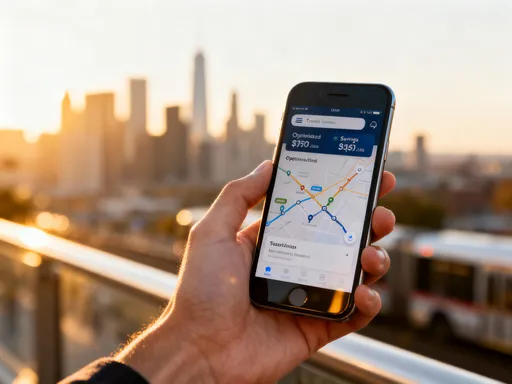
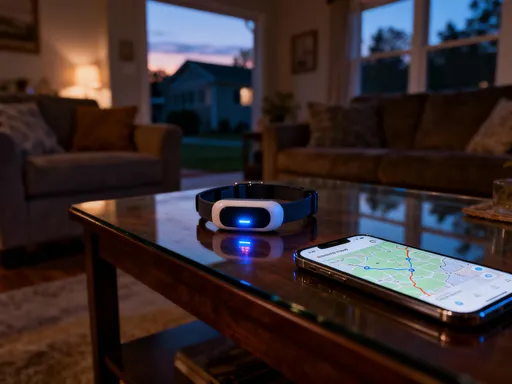
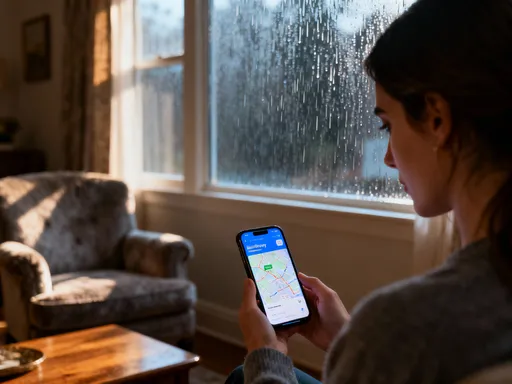
Here’s the simple version: many cities now use small sensors embedded in the pavement to detect when a parking space is empty. That information gets sent to an app on your phone or your car’s built-in navigation system. So when you’re on your way to a destination, your map doesn’t just show you the route—it can also suggest where you’re most likely to find a spot. Some systems even update in real time, so if someone just pulled out two streets over, your screen can guide you there before someone else grabs it.
And it’s not just cities. Many shopping centers, hospitals, and university campuses now use smart parking systems. You might have already seen signs that say “Spaces available” with a number—that’s part of the same idea. The tech works quietly in the background, using data to make your life easier. No complicated setup. No new gadgets to charge. Often, it’s already built into the tools you use every day—like Google Maps, Apple Maps, or your car’s infotainment screen. You just need to know how to turn it on.
The beauty is in how invisible it becomes. You don’t have to learn a new app or change your routine. You just start arriving a little calmer, a little earlier, and with a little more confidence. That’s not magic—that’s thoughtful technology doing exactly what it should: solving real problems in real life.
Waking Up to a Smoother Morning Routine
Mornings are a delicate dance. You’re juggling breakfast, last-minute homework checks, and the never-ending search for the other shoe. By the time you get everyone into the car, you’re already running on emotional fumes. The last thing you need is a parking scramble to tip you over the edge. But what if that part of the day just… worked?
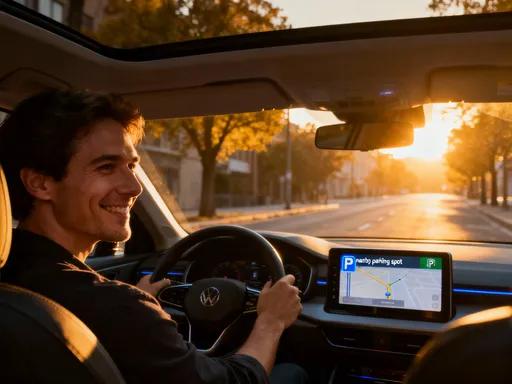
Imagine this: You pull up to your child’s school, and instead of scanning every curb, your car’s screen gently suggests, “Park here—two-minute walk to the front gate.” You follow the guidance, pull into a spot that would’ve taken you ten minutes to find on your own, and walk your child inside with time to spare. No rushing. No raised voices. No guilt about being late—again. That small win sets the tone for your entire day.
And it’s not just about being on time. It’s about how you show up. When you’re not stressed about parking, you’re more likely to smile at the teacher, give your child an extra hug, or take a deep breath before heading into your own workday. That calm isn’t accidental—it’s designed. By removing one unpredictable element, you create space for presence. You protect your emotional bandwidth for what really matters: your family, your work, your peace of mind.
For many of us, the morning commute is the first test of our patience. And when that test is rigged by something as silly as a missing parking spot, it’s no wonder so many days start off wrong. But with a parking finder active, that test becomes fair. You’re not fighting the world—you’re moving through it with support. And that shift, small as it seems, can make all the difference between a day that feels heavy and one that feels manageable.
Less Driving, More Living – The Hidden Health Perks
We often talk about technology in terms of convenience, but what if it also quietly supports your health? Consider this: every minute you spend circling the block is a minute you’re sitting, stressed, and exposed to noise and fumes. Multiply that by five days a week, and it adds up. But when you find a spot quickly, you’re not just saving time—you’re reducing physical strain.
Less time driving means less time in that hunched-over, white-knuckle position that wreaks havoc on your neck and shoulders. It means fewer headaches triggered by frustration and noise. It means lower fuel consumption, which is better for the planet—and your wallet. But more than that, it means more opportunities to move your body in ways that feel good. When you park closer to your destination, you’re more likely to take that short walk to the store, enjoy the fresh air, or stretch your legs after sitting.
And let’s not overlook the mental health benefits. Predictability is calming. When your commute feels more reliable, your nervous system relaxes. You’re not bracing for the worst; you’re simply getting where you need to go. That sense of control can ripple into other areas of your life. You sleep better. You’re more patient. You feel more in charge of your day.
Some studies have even linked reduced commuting stress to lower blood pressure and improved mood over time. Now, no one is saying that a parking finder is a substitute for exercise or therapy—but it can be part of a broader strategy for well-being. It’s a small tool that contributes to a larger goal: feeling good in your body and your mind, not just surviving the day, but enjoying it.
Making It Part of Your Life – No Extra Effort Needed
One of the biggest myths about technology is that it requires effort—that you need to learn new habits, download new apps, or carry extra devices. But the best tools are the ones you don’t notice. They blend into your routine like your morning coffee or your favorite playlist. And that’s exactly how parking finders are designed to work.
Most modern cars now come with built-in navigation systems that include parking assistance. If you have Apple CarPlay or Android Auto, you’re already one step closer. Apps like Google Maps and Waze now offer parking suggestions in many cities—sometimes even showing street parking options near your destination. All you have to do is enable the feature in settings. It takes less than a minute.
Try this: the next time you’re heading to a place you go often—like the grocery store or your child’s school—let the app guide you to a spot. At first, you might second-guess it. “That side street? Really?” But trust it. You’ll likely find that it’s right more often than not. Over time, you’ll start to rely on it without even thinking.
You can also sync it with your calendar. If you have a doctor’s appointment scheduled, your phone can remind you to leave a few minutes earlier—and suggest the best place to park when you arrive. It’s like having a personal assistant who knows your habits and wants to help. And the best part? It doesn’t ask for anything in return. No subscriptions. No ads. Just quiet, consistent support.
Think of it as a small upgrade to your daily rhythm—one that doesn’t demand your attention but gives you back something priceless: time and peace.
Real People, Real Calmer Commutes
I spoke with a few women who’ve made parking finders part of their routine, and their stories were strikingly similar. Maria, a nurse in Chicago, starts her 12-hour shifts at 6:30 a.m. “I used to arrive already drained,” she told me. “Driving in, circling the hospital lot, fighting with other staff for spots—it set the tone for the whole day. Now, I let the app guide me to the employee lot or a nearby garage. I arrive calm, centered, ready to care for others. It’s made a bigger difference than I expected.”
Then there’s Priya, a mom of two in Austin. “I have a toddler who only naps in the car,” she said. “If I hit traffic or spend too long looking for parking, he wakes up cranky, and the whole errand goes downhill. Now, I use the parking suggestion in Google Maps. I find spots faster, the drive is smoother, and he stays asleep. It’s not just about parking—it’s about protecting our peace as a family.”
And Sarah, a college student in Boston, shared how it helps her between classes. “Campus parking is a nightmare,” she said. “I used to waste so much time—and miss the start of lectures. Now, I check the app before I leave, and it shows me where spots are open. I get to class on time, less stressed, and actually ready to learn.”
What stood out in all these stories wasn’t the tech itself—it was the emotional relief. The sense of control. The quiet confidence that comes from knowing you won’t be stranded, late, or frustrated. These aren’t dramatic transformations. They’re subtle shifts that add up to a better day, a better mood, a better life.
Rethinking Technology – Not Just Smart, But Kind
We often think of innovation as something flashy—new phones, self-driving cars, AI that writes novels. But the most meaningful technology isn’t always the loudest. Sometimes, the most powerful tools are the ones that simply help us breathe easier. A parking finder doesn’t change the world in a single stroke. But it changes your world—in the way it protects your morning, preserves your patience, and gives you back moments you thought were lost.
In a culture that glorifies busyness and burnout, choosing tools that support your well-being is a quiet act of self-care. It’s saying, “My time matters. My calm matters. My energy is valuable.” And when you protect those things, you show up better—for your family, your work, yourself.
Technology doesn’t have to be complicated to be transformative. Sometimes, the kindest thing a machine can do is help you find a spot, save a few minutes, and start your day with a little more grace. In a world full of noise and rush, that small act of support can feel like a gift. And maybe, just maybe, it’s exactly what you’ve been missing.