Tired of saying ‘I’ll sleep better tomorrow’? This meeting habit finally fixed my nights
We’ve all been there—staring at the ceiling at 2 a.m., mind racing with unfinished tasks and back-to-back online meetings. I used to tell myself, *“I’ll sleep better tomorrow,”* night after night. But it wasn’t until I changed how I managed my virtual workday that my sleep finally improved. It wasn’t about working less—it was about working *smarter*. And it started with one small shift in how I use online meeting platforms. What I discovered wasn’t a magic pill or a pricey sleep tracker. It was something hiding in plain sight: the way I scheduled, joined, and mentally disengaged from virtual meetings was quietly stealing my rest. And once I fixed that, everything changed.
The Midnight Loop: When Work Meetings Follow You to Bed
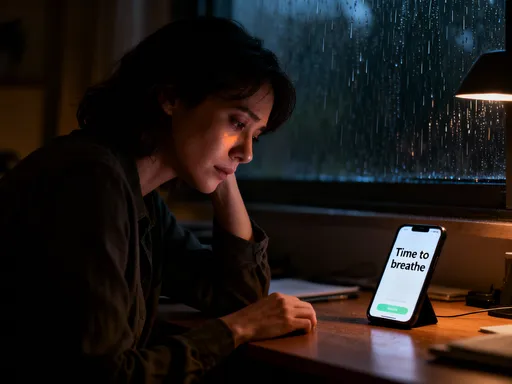
Have you ever laid down, closed your eyes, and suddenly remembered that thing you should’ve said in the 4:30 p.m. team call? Or maybe you’re mentally rehearsing tomorrow’s presentation while your body aches for sleep? You’re not alone. So many of us—especially women juggling work, home, and family—are caught in what I now call the midnight loop. It’s that frustrating cycle where the workday technically ends, but your brain stays in meeting mode. You might be in pajamas, tucked under the covers, but mentally? You’re still on mute, waiting to unmute.
I used to think this was just part of being busy. That if I was tired at night, it was because I’d done a lot—and rest would come naturally. But it didn’t. Instead, I’d lie there, heart slightly racing, my thoughts jumping from one agenda to the next. I’d replay awkward pauses, wonder if my camera angle made me look tired (which, well, I *was*), or stress about the email I forgot to send after the last Zoom. The truth hit me one night: my work wasn’t staying at my desk. It was following me into my bedroom, not in a briefcase, but in my nervous system.
And I realized I wasn’t just tired—I was emotionally fatigued. That kind of exhaustion doesn’t go away with an extra hour in bed. It comes from never fully switching off. From being ‘on’ for everyone else—your team, your kids, your partner—and forgetting to give yourself permission to be ‘off.’ The meetings themselves weren’t the problem. It was the invisible weight they left behind. The lack of closure. The absence of a true ending. And that’s what was keeping me—and so many of us—awake.
How Online Meetings Quietly Hijack Your Sleep
Here’s something most of us overlook: virtual meetings don’t end when the call does. Think about it. In the old office days, you’d close your laptop, walk out the door, maybe stop for coffee on the way home. That physical movement signaled to your brain: *work is done*. But now? You click ‘leave meeting,’ and boom—you’re still at the kitchen table, still in work mode, still reachable. There’s no commute, no transition, no buffer. And that missing gap is where sleep starts to unravel.
It’s not just the time spent in meetings—it’s what happens afterward. The blue light from your screen suppresses melatonin, the hormone that tells your body it’s time to sleep. But it’s more than biology. It’s psychological. Being on camera—even for a 15-minute check-in—puts you in performance mode. You’re aware of how you look, how you sound, whether your background is tidy. That low-level stress lingers. And when you carry that into the evening, your brain stays alert, scanning for the next demand.
Then there’s the habit of checking in ‘just one more time’ before bed. You tell yourself you’re just confirming tomorrow’s schedule or reading a quick message. But that one peek pulls you back in. Suddenly, you’re scrolling through emails, adjusting calendar invites, or mentally preparing for a tough conversation. Your nervous system doesn’t know it’s bedtime. It thinks you’re still in the middle of the workday. And over time, this becomes the norm. You stop winding down and start winding up—right when you should be doing the opposite.
I remember one week where I had three evening meetings back-to-back. Nothing late—none past 7 p.m.—but my sleep was wrecked. I couldn’t figure out why. Then it clicked: even though the meetings ended early, I didn’t. I stayed online, answering follow-up messages, rewatching parts of the recording, worrying about what I’d said. The meeting may have lasted 45 minutes, but my brain was engaged for hours after. That’s the hidden cost of virtual work: the afterglow of being ‘connected’ long after the screen goes dark.
The One Rule That Changed Everything: No Screens One Hour Before Bed
I didn’t make this rule up. I borrowed it from sleep science, common sense, and a very wise friend who swore by it. But actually *doing* it? That took some real commitment. My turning point came after a night where I finally fell asleep at 2:15 a.m., only to wake up feeling like I hadn’t slept at all. I looked at my phone history the next morning—yep, I’d checked my calendar at 10:47 p.m., responded to a Slack message at 10:58, and watched half of a meeting recap video at 11:12. No wonder my brain was still working.
So I made a promise to myself: no screens one hour before bed. Not just no work calls—but no email, no calendar, no meeting platforms, nothing work-adjacent. At first, it felt like leaving the front door unlocked. What if someone needed me? What if I missed something important? But I realized I was treating my evenings like an emergency room—always on call, never at rest. And I wasn’t helping anyone by being half-asleep the next day.
Instead, I replaced that last hour with simple, screen-free rituals. I started journaling—just five minutes of writing down what I’d accomplished, what I needed to remember tomorrow, and one thing I was grateful for. It gave my mind a soft landing. Sometimes I’d do light stretching or read a physical book—something calming, not stimulating. I even bought a small notebook to keep next to my bed for any sudden work thoughts. ‘I’ll handle this tomorrow’ became my new mantra.
The change wasn’t instant, but within two weeks, I noticed something incredible: I was falling asleep faster. Not by trying harder, but by trying less. My brain wasn’t racing through meeting highlights. It wasn’t bracing for tomorrow’s agenda. It was finally allowed to rest. And the best part? I wasn’t less productive. If anything, I was sharper in my meetings, more present with my family, and more in control of my time. That one hour of disconnection became the most productive part of my day.
Rethinking Meeting Times: Aligning Work with Your Body’s Clock
Here’s a truth we don’t talk about enough: not all hours are created equal. Your energy isn’t a flat line—it’s a wave. And if you’re scheduling demanding meetings during your natural slump, you’re setting yourself up for fatigue that lasts all day—and into the night. I used to pack my afternoons with calls, thinking I was being efficient. But by 3 p.m., I was running on caffeine and willpower. And those late meetings? They left me mentally drained, making it harder to transition into evening calm.
Once I started paying attention to my natural rhythm, everything shifted. I noticed I’m sharpest in the morning—my focus is clear, my creativity is up. So I moved my most important meetings to between 9 a.m. and 11 a.m. I reserved afternoons for lighter tasks: answering emails, organizing files, planning meals. And I made a firm rule: no meetings after 6 p.m. unless absolutely necessary. At first, I worried people would think I wasn’t committed. But guess what? They didn’t care. Most were happy to meet earlier. Some even thanked me for suggesting it.
This small change had a ripple effect. Because I wasn’t dragging through back-to-back calls in the evening, I had mental space to decompress. I could make dinner, talk to my kids, enjoy a quiet moment—without my brain still stuck in ‘work mode.’ And when bedtime came, I wasn’t exhausted in a wired way. I was tired in a good way—the kind that leads to deep, restful sleep.
If you’re not sure where your energy peaks, try tracking it for a week. Make a note of when you feel most alert, when you’re most creative, and when you hit your wall. Then, align your meeting schedule with those patterns. You don’t have to overhaul your entire calendar—just shift a few key calls. And don’t be afraid to speak up. Say, *“I’m more focused in the mornings—would 10 a.m. work for you?”* Most people will respect your boundaries—especially when they see how much clearer you show up.
Using Platform Features to Protect Your Peace
Here’s a secret: most of us use only 10% of what our meeting platforms can actually do. We log in, join the call, and leave. But these tools have built-in features that can help you protect your time and your peace—if you know where to look. I used to miss this completely. I’d leave a meeting and immediately feel the pressure to check the recording, read the chat, or respond to action items. It was like the meeting never really ended.
Then I discovered settings that changed everything. For example, I turned on auto-archiving for all my calls. Now, recordings are saved automatically, so I don’t have to worry about losing them. I also set up scheduled reminders—like a notification that pops up 15 minutes before a meeting, so I don’t have to keep checking my calendar. And perhaps most importantly, I turned off all non-urgent notifications after 7 p.m. That means no pings, no alerts, no ‘someone mentioned you’ messages sneaking into my evening.
I also started using the ‘working hours’ feature in my email and calendar apps. When someone tries to schedule a meeting outside those hours, they get a polite message: *“I’m not available during this time.”* It sets a boundary without me having to say it every time. And I use the ‘do not disturb’ mode on my devices—especially during family time or after my screen-free hour begins.
These aren’t fancy hacks. They’re simple settings, already built into the tools you’re using. But they give you something priceless: confidence. You can step away knowing you won’t miss anything important. You don’t have to stay connected to stay in control. In fact, disconnecting is how you regain control. And that peace of mind? That’s what makes rest possible.
Creating a Digital Sunset Ritual
Think about how a city turns off at night. The office buildings go dark, the streetlights come on, the noise fades. There’s a rhythm to it—a natural transition from day to night. But in our digital lives, that rhythm is missing. We don’t have a closing time. The workday just… fades out. And without a clear ending, it’s hard to begin the rest of your life.
That’s why I created a digital sunset ritual. Every evening at 7:30 p.m., I close all my work tabs. I shut down my laptop. I set an auto-reply on my email: *“I’ll respond during working hours tomorrow.”* Then I play a short, calming playlist—just two songs, nothing too long. It’s my signal to my brain: *the workday is over.*
Sometimes I light a candle. Sometimes I pour a cup of herbal tea. It doesn’t have to be fancy—just intentional. The key is consistency. When you do the same thing every night, your mind starts to expect it. It’s like training a puppy: repeat the routine, and eventually, it just knows when it’s time to settle.
This ritual isn’t about being rigid. Some nights, I might have a family event or a school meeting. That’s fine. The point isn’t perfection—it’s awareness. It’s giving yourself a clear line between *work* and *life.* And when you have that line, you don’t feel guilty for stepping away. You feel proud of honoring your time and your energy.
One of the most powerful parts of this ritual is closing the loop. Before I disconnect, I take three minutes to review my day: What got done? What needs to happen tomorrow? I jot it down, then close the notebook. It’s my way of saying, *I see you, today. And I’ll be ready for tomorrow.* That small act of closure does more for my sleep than any sleep supplement ever could.
Sleep Isn’t Laziness—It’s Your Secret Productivity Tool
We’ve been sold a lie that busier is better. That if you’re not constantly doing, you’re falling behind. But here’s the truth: rest is not the enemy of productivity. It’s the foundation. When I started protecting my sleep—not as a luxury, but as a necessity—everything improved. My focus got sharper. My patience grew deeper. I made better decisions. I showed up as a calmer mom, a more present partner, a more creative professional.
And it all started with how I treated my meetings. Not by working less, but by working with more intention. By setting boundaries, using tools wisely, and honoring my natural rhythm. I didn’t need a new job or a four-day workweek. I just needed to reclaim my evenings.
Today, when I say, *“I’ll sleep better tomorrow,”* I actually mean it. Because I’ve built a life that makes it possible. My phone stays in another room at night. My calendar respects my energy. My mind knows when to shift gears. And when I lie down, I’m not replaying meetings—I’m thinking about the book I’m reading, the walk I’ll take tomorrow, the quiet joy of a well-rested morning.
Technology doesn’t have to steal your peace. Used with care, it can protect it. Your virtual meetings don’t have to haunt your nights. They can end cleanly, respectfully, without a trace. And you? You can finally stop saying *“tomorrow”*—and start sleeping better, tonight.