More than Favors: How a Neighborhood App Gave Me Back My Weekday Calm
You know that feeling—running errands after work, dinner still unstarted, kids asking when Mom stops being so *busy*? I did too. Until I stopped trying to do it all alone. A simple tap on a neighborhood mutual aid app connected me with people just streets away—someone walking their dog could grab my groceries; I could lend a ladder, return the favor. This isn’t about grand tech promises. It’s about small, daily relief that quietly reshaped my rhythm, my energy, even my sense of belonging. And honestly? It didn’t feel like technology at all. It felt like finally having neighbors again.
The Breaking Point: When "Doing It All" Started Breaking Me
There was a time I wore "busy" like a badge. I’d drop the kids at school, race to work, answer emails between meetings, then rush back out to pick them up, all while mentally planning dinner, checking off laundry, and remembering to call the dentist. I told myself this was what it meant to be a capable woman—someone who could juggle everything without dropping a ball. But slowly, the truth crept in: I wasn’t juggling. I was drowning. The balls weren’t just dropping—they were shattering.
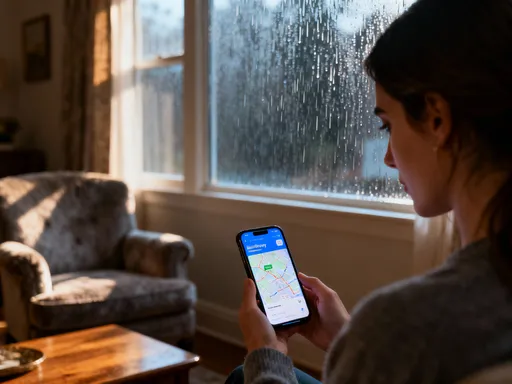
I remember one Tuesday in particular. Rain lashed against the windows, the car windshield wipers squeaked in protest, and my youngest was crying in the back seat because I’d forgotten his favorite snack. I was standing in the middle of the grocery store, staring blankly at a shelf of pasta, three missed calls from my mom blinking on my phone. One for a check-in. One because she was worried. One because I hadn’t answered the first two. In that moment, I wasn’t a supermom. I wasn’t even a functioning adult. I was just a woman, soaked from the rain, overwhelmed by the ordinary, and completely out of steam.
That’s when it hit me—I wasn’t failing because I wasn’t trying hard enough. I was failing because I’d bought into the myth that I had to do it all alone. I didn’t need another planner, another time-blocking app, or another motivational podcast. What I needed was help. Real, human help. From someone who lived close enough to understand the same traffic, the same school pickup lines, the same grocery store with the slow self-checkout. I needed my community. I just didn’t know how to reach it—until I did.
A Nudge from a Neighbor: Discovering the App That Felt Like Community
The first sign came in the most ordinary way: a small flyer tucked into my mailbox. It wasn’t glossy or flashy. Just a simple note about a local app called NeighborLink, designed for neighbors to share small tasks and favors. "Need someone to grab your mail? Have extra garden tomatoes to share? Lend a hand, get a hand." That was it. I almost tossed it. Another digital thing to manage? Another notification to ignore?
But something made me pause. Maybe it was the handwriting-style font. Maybe it was the photo of a woman handing over a basket of muffins. Or maybe it was just that deep, quiet ache for connection that I hadn’t admitted to myself. So I downloaded it. No fanfare. No expectations. I created a profile with my first name, my street, and a line that said, "Mom of two, lover of quiet mornings and strong coffee. Happy to help!"
What surprised me wasn’t the technology—it was the tone. This wasn’t like other apps I’d tried, where everything felt transactional or gamified, with points and rankings and cold efficiency. This felt warm. Human. People weren’t listing tasks like a to-do list; they were writing little notes. "Anyone heading to the pharmacy? Could you grab me some allergy meds? Happy to pay and cover gas!" Or "I have an extra zucchini bread—knock on my door if you’d like a slice!" One woman even posted, "My dog is barking at nothing again. If you hear her, please text me. I’m at work and worried." That’s when I realized: this wasn’t about chores. It was about care.
I started small. I offered to water a neighbor’s plants while they were away. Then I borrowed a power drill to hang a shelf. Each interaction felt like a tiny thread being woven into something bigger. And slowly, the invisible walls between houses began to soften. I wasn’t just using an app. I was rediscovering what it meant to live next to people—not just near them, but with them.
From Errands to Energy: How Small Asks Created Big Shifts
The first time I actually asked for help, my fingers hovered over the screen. I typed, deleted, retyped. "Hi everyone, I’m swamped today—anyone heading to the grocery store who could grab a carton of oat milk for me? I’ll Venmo you right away." I clicked post and immediately regretted it. What if no one responded? What if they thought I was lazy? What if—
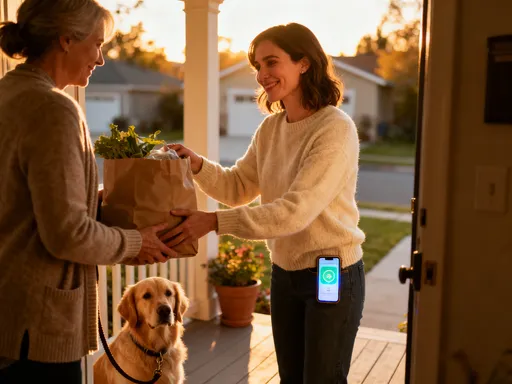
Two minutes later, my phone buzzed. "On my way now! I’ll drop it at your porch in 20." It was Sarah from three doors down. I’d waved at her a few times but never really talked. That evening, there it was—my oat milk, sitting neatly by the door, with a sticky note that said, "Extra almond butter in there—figured you could use a treat." I nearly cried. Not because of the milk. Because someone had seen me. Not just my request, but the exhaustion behind it.
And here’s the thing I didn’t expect: helping back felt just as good. When Sarah later asked if I could collect a package from her porch while she was at a doctor’s appointment, I said yes without hesitation. It took two minutes. But that tiny act—it mattered. Not because it saved her time, but because it said, "I’ve got you." That’s when I realized the app wasn’t just saving minutes. It was saving mental energy. The kind that used to go into circling the block for parking, or rushing through a store with a fussy toddler, or trying to remember if I’d turned off the oven.
Now, when I have a gap in my day, I don’t fill it with more tasks. I use it to breathe. To read an extra story at bedtime. To sit with my tea and actually taste it. The app didn’t give me more hours in the day. It gave me back my focus. And that? That’s priceless.
Rhythm, Not Rush: Reclaiming the Flow of Daily Life
Before, my days felt like a series of sprints. Wake up. Get the kids ready. Rush out the door. Work. Pick up. Homework. Dinner. Cleanup. Collapse. Rinse and repeat. There was no rhythm—just urgency. But slowly, something shifted. I began to notice that when I didn’t have to do everything myself, life started to flow.
Mornings became gentler. If I overslept or had a late call, I could post, "Could anyone walk Luna before 8? I’ll owe you big time!" And someone always did. Not because they had to, but because they could. One neighbor even started doing it regularly—"I walk my dog at 7 anyway," she said. "Luna’s company!" Now, my dog comes back happy, tired, and wagging, and I get an extra 20 minutes of calm before the day begins.
Evenings changed too. Instead of racing to chop vegetables while trying to answer homework questions, I could ask, "Anyone making soup tonight? I’d love to swap a loaf of banana bread for a container!" More than once, I’ve opened my door to find a steaming pot of lentil soup on the step, and I’ve left bread in return. No fanfare. No stress. Just food, warmth, and the quiet joy of being taken care of.
And in that space, I started to notice things I’d missed. The way my son hums when he’s concentrating on a puzzle. The golden light in the kitchen at 4:30 p.m. The fact that I actually enjoy folding laundry when I’m not rushing. The app didn’t change my responsibilities—it changed my relationship to them. I wasn’t just surviving the day. I was living it.
Trust in the Details: Building Confidence Through Consistent Connections
I’ll admit, I was nervous at first. What if I asked too much? What if people thought I was taking advantage? But the more I gave, the more I realized this wasn’t about dependency. It was about balance. About give and take. About knowing that today I might need eggs, but tomorrow I could lend a vacuum or babysit a cat.
Trust didn’t come all at once. It grew in small moments. When I returned a borrowed garden trowel with a packet of flower seeds. When I texted a neighbor to say her dog had gotten loose—and stayed with him until she got home. When I showed up with soup after she had surgery, just because I knew she’d be tired.
These weren’t grand gestures. But they built something solid. I began to recognize names on the app—Maria, who always had extra herbs from her garden. James, who fixed bikes and once helped me patch a flat tire. Linda, who baked sourdough and never charged a thing. We weren’t best friends, but we were allies. And that mattered.
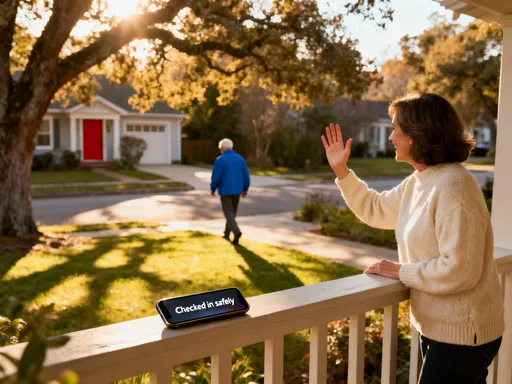
One day, I left my keys in the door. I didn’t realize until hours later. My heart dropped. But when I got home, they were gone—and a message from Maria: "Saw your keys! Put them inside. Door was unlocked—locked it for you." No drama. No expectation. Just care. That’s when I knew: this wasn’t just an app. It was a safety net. And I wasn’t alone.
Beyond Convenience: The Emotional Ripple of Being Seen
The biggest surprise wasn’t the time saved. It was the feeling of being known. Not just as "the woman with two kids," but as someone with preferences, rhythms, and quirks. When Sarah remembered I liked oat milk and grabbed extra, it wasn’t just helpful. It was affirming. When James asked if I wanted the blue bike basket he’d fixed—"I thought it matched your bike"—it wasn’t just a gift. It was recognition.
In a world where so much feels impersonal—automated emails, algorithm-driven ads, endless scrolling—this was different. Real people, paying attention. Not because they had to, but because they wanted to. One rainy afternoon, I posted, "Feeling a bit overwhelmed today. Could use a hug or a cup of tea." I didn’t expect much. But within an hour, three neighbors had replied. One brought tea. One sent a voice note saying, "Me too. You’re doing great." Another just said, "Thinking of you." I sat on the couch, sipping chamomile, and cried—not from sadness, but from relief. I wasn’t invisible.
That’s the quiet magic of this app. It doesn’t replace deep friendships or family bonds. But it creates space for connection in the in-between moments. The moments when you’re not hosting a party or attending a PTA meeting, but just living your life, trying your best. And in those moments, a small act of kindness can feel like a lifeline.
A New Normal: Sustaining the Rhythm Without the Hype
Months have passed now. The app is no longer a novelty. It’s just part of life—like checking the weather or setting the coffee maker. I don’t post every day. Neither do most people. But when we do, we know someone will answer. Not because they’re paid to, but because they’re neighbors.
The real change isn’t in my schedule. It’s in my soul. I’m calmer. More present. More willing to ask for help—and more eager to offer it. I’ve stopped measuring my worth by how much I can do alone. Instead, I measure it by how well I’m connected.
And here’s what I’ve learned: technology doesn’t have to be flashy to be powerful. It doesn’t need to promise to change your life in 30 days or track your every move. Sometimes, the most transformative tools are the quiet ones—the ones that don’t shout, but whisper, "You’re not alone. Someone’s got your back."
I still have busy days. Kids still spill juice. Dinners still burn. But now, when the chaos comes, I don’t face it solo. I have a village. Not a perfect one. Not a loud one. But a real one. And that makes all the difference.